Landscaping Services in Houston, TX
Explore landscaping options in Houston, Texas, for more attractive and functional outdoor spaces. Learn about landscape design, garden beds, shrubs, planting, mulch, and outdoor improvements for residential and commercial properties.
Explore Local Landscaping OptionsExplore Landscaping in Houston, Texas
Landscaping in Houston, TX, involves more than planting flowers or adding decorative features. A well-planned landscape considers the property’s layout, sunlight, soil, drainage, plant selection, irrigation, and ongoing maintenance.
Houston’s warm climate and seasonal rainfall create opportunities for attractive outdoor spaces, but they also make thoughtful planning important. Some properties experience heavy runoff or areas that stay wet after storms. Others have compacted soil, strong afternoon sun, or shaded sections beneath mature trees.
Whether you want to improve a front yard, refresh backyard garden beds, add shrubs, or update a commercial property’s outdoor appearance, understanding the available Houston landscaping services can help you plan the right project.
HoustonLawnCare is an independent lawn-care information and lead-generation website. We help visitors explore services and request connections with independent local providers. Providers handle their own estimates, pricing, schedules, and project work.
Why Landscape Planning Matters in Houston
Houston properties can have different growing conditions, even within the same neighborhood. A sunny front yard may need different plants from a shaded backyard. Low-lying areas may need drainage improvements before new planting beds are installed.
A thoughtful landscape design in Houston considers how people use the outdoor space as well as how plants will grow over time.
- Sunlight: Match plants to full sun, partial shade, or shaded areas.
- Soil: Consider soil texture, compaction, and drainage.
- Water: Plan irrigation around rainfall and individual plant needs.
- Plant size: Allow enough room for mature shrubs and trees.
- Maintenance: Choose a design that fits the property’s upkeep needs.
Common Landscaping Services in Houston
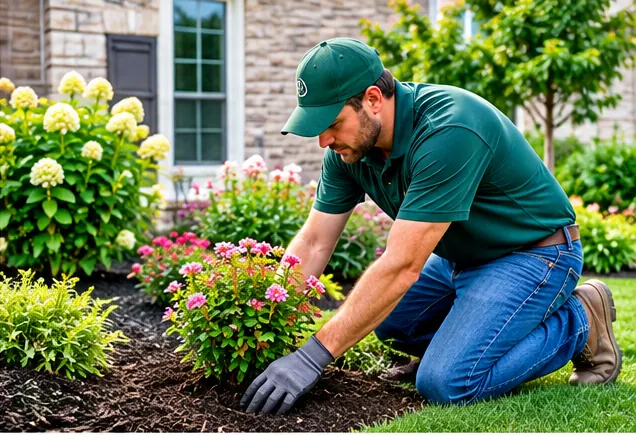
Landscaping projects range from small garden improvements to larger outdoor redesigns. The right scope depends on the property’s condition, available space, and goals.
Garden Bed Installation
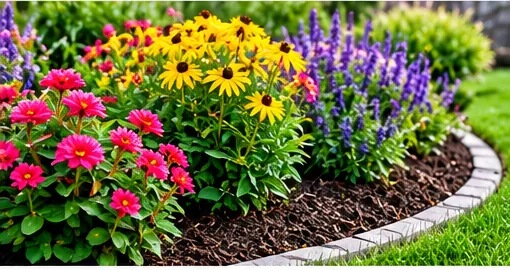
Garden bed installation can add structure and color around walkways, entrances, patios, and property boundaries. Projects may include bed preparation, edging, soil improvements, plant selection, and mulch.
Shrub and Plant Installation
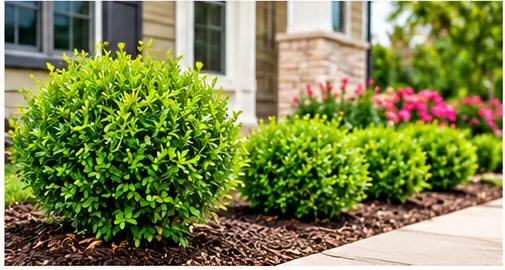
Shrub planting and ornamental plants can provide privacy, visual interest, and definition. Plant selection should account for mature size, sunlight, soil moisture, and spacing.
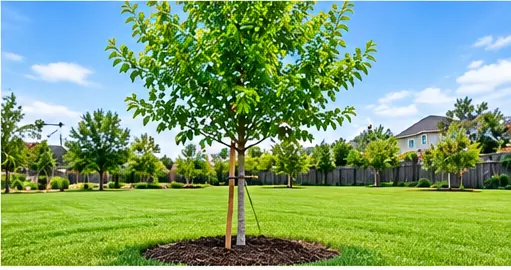
Tree and Small Tree Planting
Adding suitable trees can provide shade and improve the character of an outdoor space. Consider mature canopy size, root space, overhead utilities, and distance from buildings before planting.
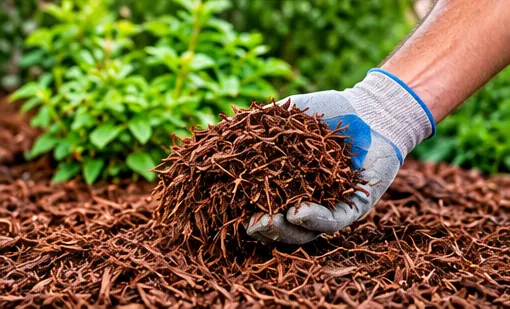
Mulching and Bed Refreshing
Landscape mulching can help moderate soil temperature, retain moisture, and suppress weeds. Mulch should not be piled against tree trunks or plant stems.
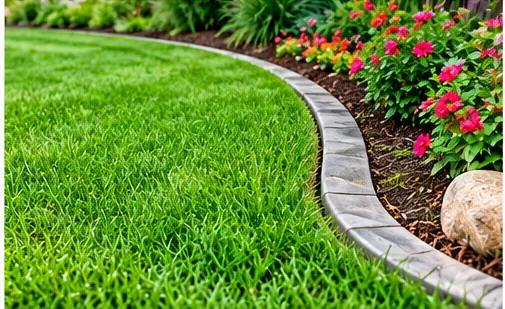
Landscape Edging
Landscape edging creates a cleaner boundary between lawns, garden beds, pathways, and other outdoor surfaces. Materials may include natural stone, brick, metal, or flexible edging.
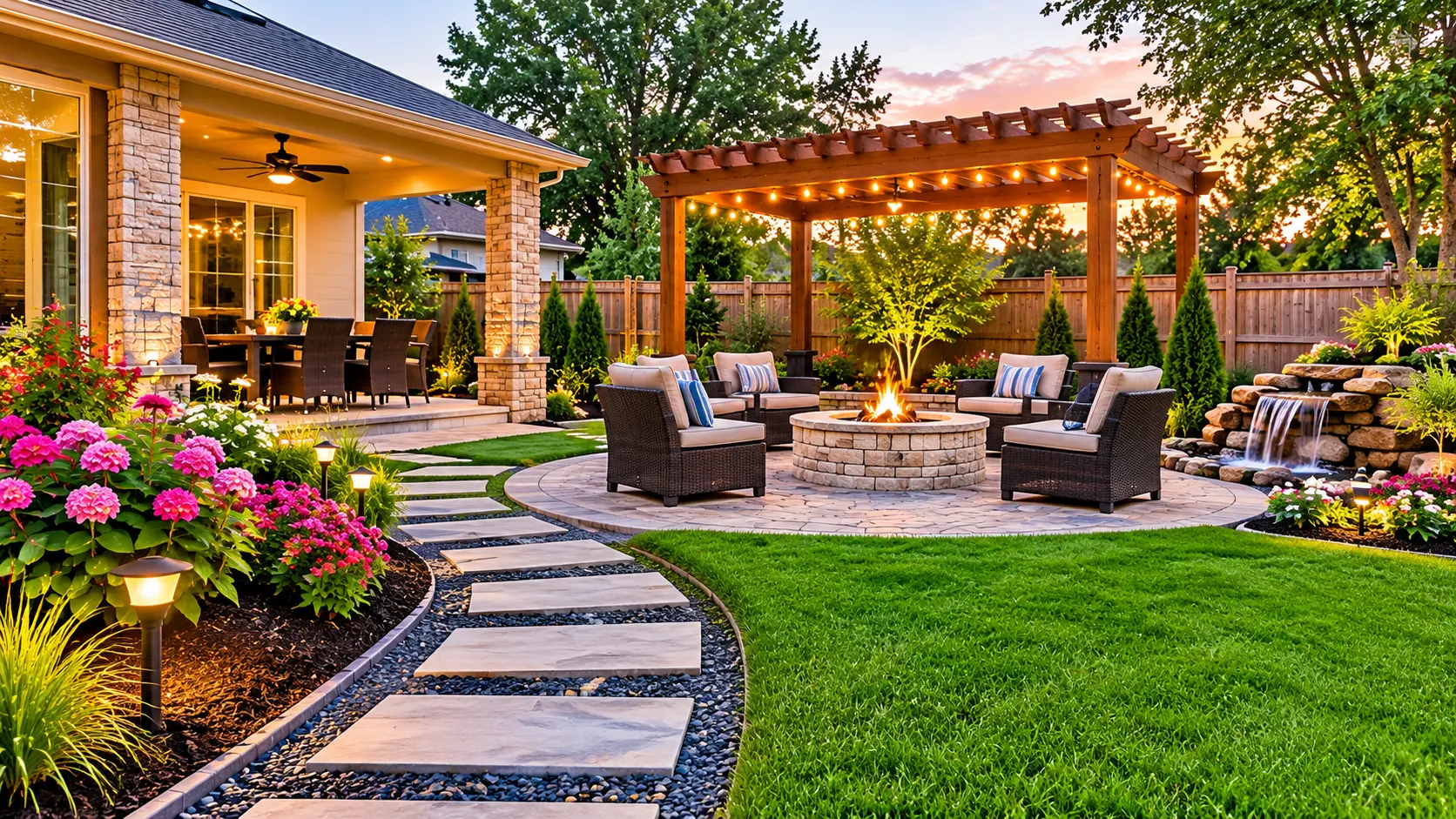
Outdoor Space Improvements
Depending on the property, improvements may include planting layouts, pathways, decorative features, seating areas, and coordinated garden beds.
Choosing Plants for Houston Landscapes
Plant selection is one of the most important parts of a successful Houston landscape design. Native and adapted plants can be useful choices because they are suited to regional growing conditions. However, every plant still needs an appropriate location and establishment care.
Native and Adapted Plants
Native plants are species that occur naturally in a region. Adapted plants are non-native species that can grow successfully under local conditions. Both may be considered when planning a landscape.
Depending on the site, a landscape plan may include native grasses, flowering perennials, suitable shrubs, and regionally appropriate trees. Check each plant’s mature dimensions, sunlight requirements, water needs, and soil preferences before installation.
Consider Sun and Shade
Observe how sunlight moves across the property during the day. Plants that need full sun may struggle beneath dense tree canopies, while shade-tolerant plants may become stressed in exposed afternoon heat.
Allow Room for Mature Growth
Planting too close together can create crowded beds and increase future pruning needs. Allow room for roots, branches, walkways, buildings, and utility access.
Drainage and Soil Considerations for Houston Yards
Drainage deserves attention before a landscape installation begins. Houston’s flat terrain, local watersheds, rainfall patterns, and varying soil conditions can affect how water moves through a property.
Some areas have clay-rich soils that can drain slowly when saturated. Other properties may have grading issues, compacted soil, or downspouts that concentrate water in garden beds.
Signs a Yard May Need Drainage Assessment
- Water remains in the same area long after rainfall.
- Soil stays saturated around shrubs or planting beds.
- Mulch or soil washes away during heavy rain.
- Water flows toward the house or collects near a foundation.
- Plants repeatedly decline in wet or poorly drained areas.
Possible project considerations include correcting minor grading problems, redirecting appropriate surface runoff, improving soil structure where suitable, or evaluating a drainage system. Larger drainage work should be assessed by a qualified professional to avoid directing water toward neighboring properties or structures.
Mulch and Irrigation for Healthy Landscape Beds
Using Mulch Correctly
Landscape mulch can help retain soil moisture, reduce weed growth, and moderate temperature changes around plant roots. Organic options include hardwood mulch and other plant-based materials.
A layer around three inches is a common starting point for many planting beds, although the appropriate depth depends on the material and site. Keep mulch several inches away from tree trunks and avoid burying plant crowns.
Planning Efficient Irrigation
Different plants have different water requirements. Grouping plants with similar needs can make irrigation easier to manage. Drip irrigation may be suitable for some garden beds because it delivers water closer to plant roots.
Adjust watering according to rainfall, soil moisture, plant establishment, and seasonal conditions instead of following one fixed schedule all year.
Residential and Commercial Landscaping in Houston
Residential Landscaping
Residential landscaping in Houston may focus on curb appeal, garden beds, backyard improvements, privacy planting, shade, and outdoor living areas.
Homeowners may want a low-maintenance front yard, a more colorful garden, or a practical backyard layout. The design should match the property’s size and the amount of maintenance the household can manage.
Commercial Landscaping
Commercial landscaping in Houston can improve the appearance of office buildings, retail locations, apartment communities, and other business properties.
Commercial projects may involve entrance planting, common-area beds, shrubs, seasonal color, lawn areas, and ongoing grounds maintenance.
Property-Specific Planning
Both residential and commercial landscapes benefit from clear project goals, realistic maintenance expectations, suitable plant choices, and a plan for irrigation and drainage.
What Affects Landscaping Costs in Houston?
The cost of landscaping in Houston, TX depends on the size and complexity of the project. A small garden-bed refresh is different from a full property redesign or a project that requires drainage work.
Common Landscaping Cost Factors
- Project size: Larger properties and planting areas generally require more materials and labor.
- Design complexity: Custom layouts, curves, pathways, and multiple planting zones can affect project scope.
- Plant selection: Plant size, species, quantity, and availability influence material costs.
- Site preparation: Removing old plants, clearing debris, or preparing compacted soil may add work.
- Drainage requirements: Grading or drainage improvements can change the scope considerably.
- Materials: Mulch, edging, stone, soil, and other landscape materials vary in price.
- Ongoing care: Pruning, bed maintenance, irrigation adjustments, and seasonal planting may involve recurring costs.
Request an itemized estimate that explains the proposed work, materials, quantities, preparation, cleanup, and any ongoing maintenance. Compare the scope of work rather than choosing based only on the lowest quoted price.
How to Explore Local Landscaping Options
Finding the right provider starts with understanding your property’s needs. Use these steps to prepare for a landscaping conversation.
1. Identify Your Goals
Decide whether you need garden beds, new plants, shrubs, edging, outdoor improvements, or a broader landscape redesign.
2. Review Your Property
Note sunny and shaded areas, drainage concerns, existing plants, access points, and approximate project dimensions.
3. Compare Local Providers
Ask about relevant project experience, proposed materials, timelines, cleanup, maintenance, and written estimates.
Related Lawn Care Services in Houston
Landscaping is often part of a wider outdoor maintenance plan. Explore related topics to understand how different services can support your property.
- Lawn Care Services in Houston – Explore common lawn-care options.
- Lawn Maintenance Houston – Learn about routine turf and property care.
- Lawn Mowing Houston – Understand grass cutting and lawn edging.
- Yard Cleanup Houston – Explore debris removal and garden-bed cleanup.
- Lawn Fertilization Houston – Learn about turf nutrient management.
- Weed Control Houston – Understand common lawn weeds and treatment options.
Frequently Asked Questions About Landscaping in Houston
What landscaping services are available in Houston, TX?
Landscaping options may include landscape design, garden-bed installation, shrub and tree planting, mulch, edging, outdoor improvements, and drainage-related work. The services offered depend on each independent provider.
Which plants are suitable for Houston landscapes?
Native and adapted plants can be suitable choices, depending on sunlight, soil, drainage, mature size, and water requirements. A plant that performs well in one Houston yard may not suit a different location.
Is landscape drainage important in Houston?
Yes. Rainfall, property grading, soil conditions, and runoff patterns can affect planting beds and outdoor spaces. Persistent standing water or water flowing toward a structure should be assessed before landscaping work begins.
How much does landscaping cost in Houston?
Costs depend on project size, design, plant quantities, materials, site preparation, and drainage requirements. Request a written, itemized estimate based on your property and project scope.
How often does a landscaped yard need maintenance?
Maintenance frequency depends on plant types, growth rates, weather, irrigation, and design. Some landscapes need regular pruning and bed care, while others are planned for lower maintenance.
Can landscaping improve curb appeal?
Well-planned planting beds, suitable shrubs, clean edging, healthy turf, and balanced outdoor features can improve the appearance of a property’s entrance and front yard.
Does HoustonLawnCare provide landscaping services directly?
No. HoustonLawnCare is an independent information and lead-generation website. We help visitors explore local landscaping options and request connections with independent providers. Those providers handle their own estimates, scheduling, and project work.
Ready to Explore Landscaping Options in Houston?
Whether you are planning new garden beds, shrub planting, landscape improvements, or a more functional outdoor space, start by identifying what your property needs.
Explore local options and request a connection with an independent landscaping provider.
Request a Service ConnectionHoustonLawnCare is an independent information and lead-generation website, not a landscaping contractor. Service providers independently manage estimates, availability, and project delivery.