Professional Lawn Care Services in Houston, TX
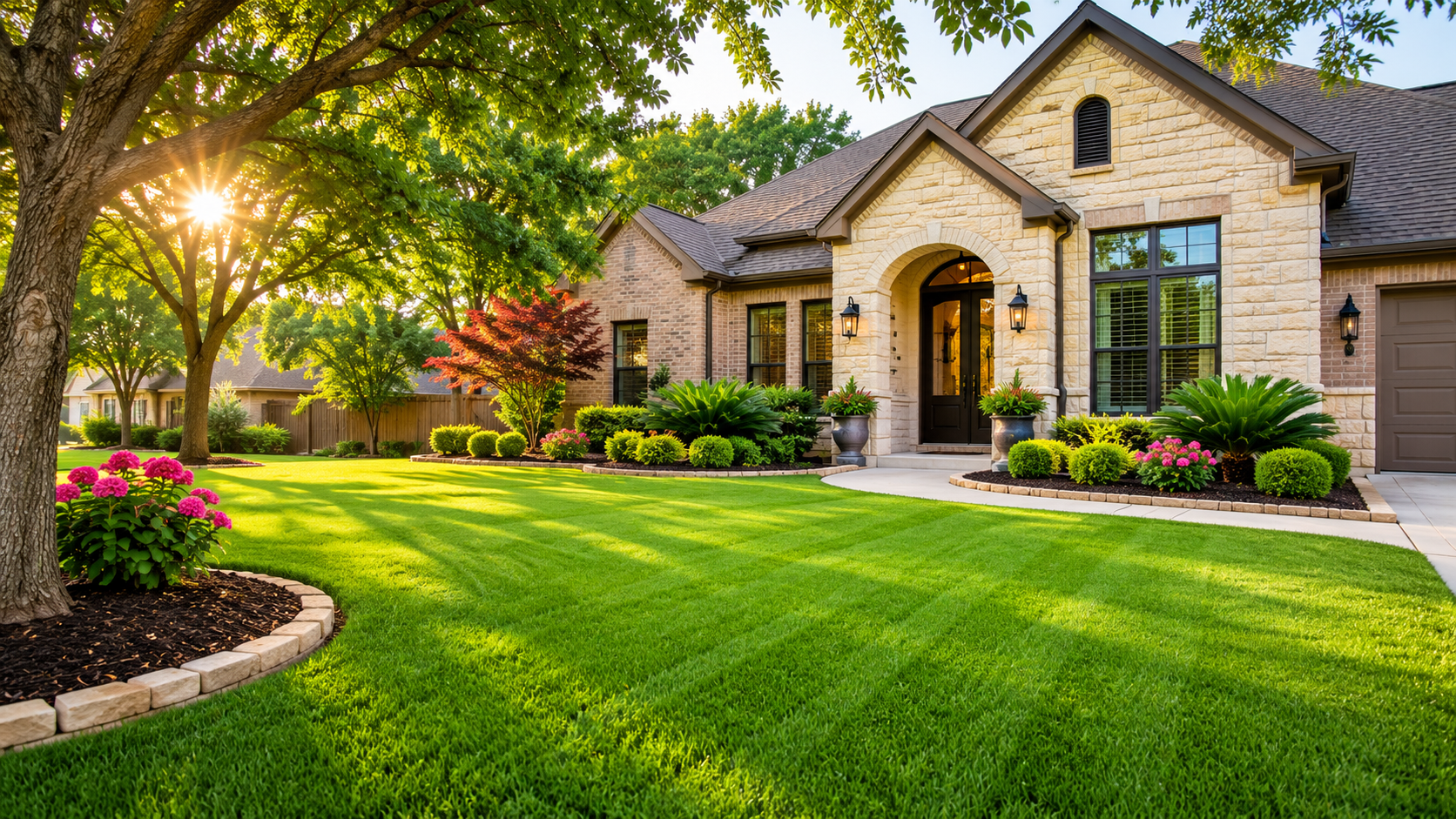
Looking for reliable lawn care in Houston? Explore lawn mowing, lawn maintenance, yard cleanup, and landscaping services for residential and commercial properties. Connect with independent local lawn-care professionals to find the right service for your needs.
Professional Lawn Care Services in Houston, TX
A healthy lawn needs more than occasional mowing. Houston’s warm climate, summer heat, rainfall, and humidity all influence how grass grows. These conditions affect mowing schedules, watering needs, soil health, and common lawn problems.
Homeowners and property managers across Houston have different outdoor maintenance needs. A residential lawn may require regular mowing, edging, and seasonal cleanup. A commercial property may need consistent grounds maintenance to keep its outdoor spaces neat and presentable.
HoustonLawnCare helps homeowners and businesses explore lawn care in Houston, TX. Our website provides information about lawn mowing, lawn maintenance, yard cleanup, lawn fertilization, weed control, and landscaping.
We also help visitors connect with independent local lawn-care service providers. You can explore available service options and submit a request for a possible connection. Independent providers handle their own estimates, pricing, schedules, and work.
Whether you have a small front yard, a large backyard, or a commercial property, understanding your lawn’s needs can help you make better maintenance decisions.
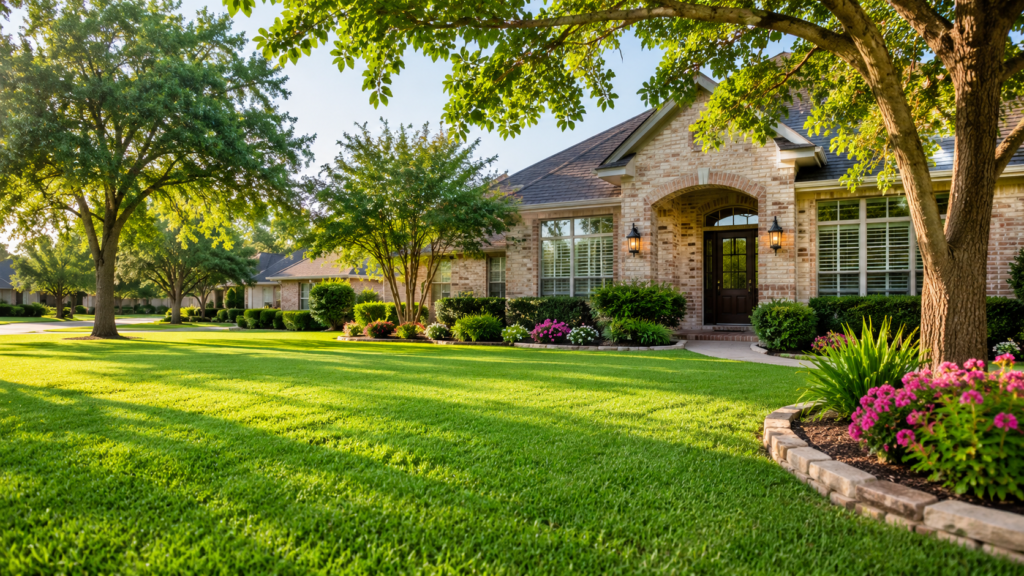
Understanding Lawn Care in Houston’s Climate
Every property has different lawn-care requirements. Grass type, soil conditions, sunlight, drainage, and property size can all influence the type of maintenance needed. Some properties need routine mowing and trimming. Others may require seasonal cleanup, weed management, or landscaping improvements. Explore the main lawn-care categories available to Houston homeowners and businesses.
Lawn Mowing
Regular lawn mowing in Houston helps maintain an even grass height and a tidy outdoor appearance. Houston’s warm weather can encourage faster grass growth during the active growing season. Different warm-season grasses require different mowing heights. St. Augustine grass generally needs a higher cut than Bermuda grass. Cutting too much grass at once can weaken turf and increase stress.
Common lawn mowing tasks may include:
- Cutting grass to a suitable height.
- Trimming around fences, trees, and garden beds.
- Edging along sidewalks and driveways.
- Clearing grass clippings from hard surfaces.
- Maintaining a consistent mowing schedule.
The right mowing frequency depends on grass variety, rainfall, irrigation, and growth rate. Following the one-third mowing rule can help prevent excessive cutting.
Explore our dedicated Houston lawn mowing guide for information about grass height, mowing frequency, and lawn mowing options.more about mowing frequency, grass height, and routine lawn care.
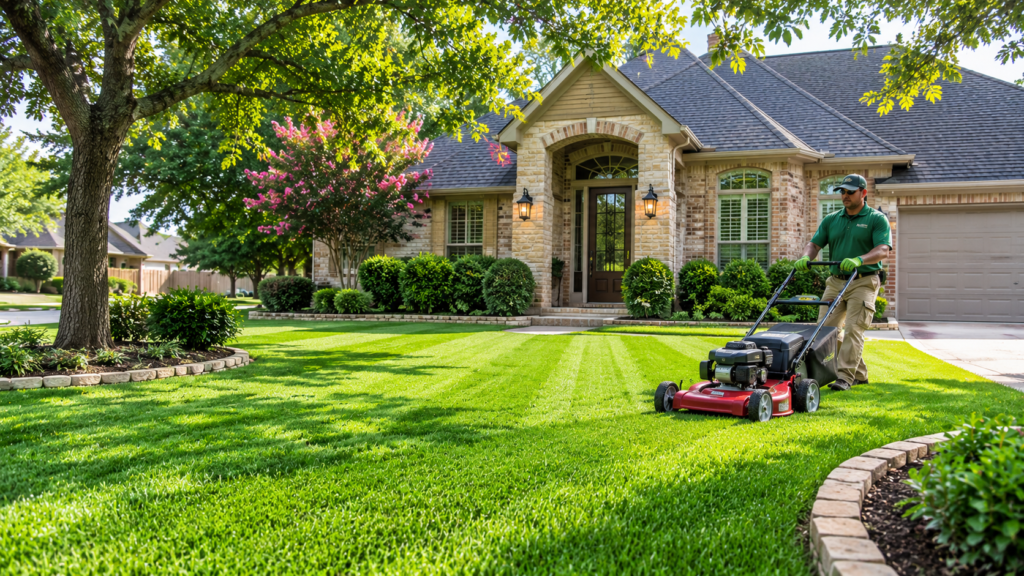
Lawn Maintenance
Lawn maintenance in Houston includes the regular tasks that help keep outdoor spaces healthy and manageable. Mowing is only one part of maintaining a lawn.
Properties may also need edging, trimming, seasonal care, and attention to weeds or drainage problems. A suitable maintenance routine depends on the lawn’s condition and the property owner’s expectations.
Important lawn maintenance factors include:
- Grass variety: Different turfgrass types have different maintenance requirements.
- Sunlight: Shaded areas may need different care from lawns receiving direct sunlight.
- Soil conditions: Soil texture and drainage influence root development and water availability.
- Irrigation: Watering should reflect rainfall and actual lawn needs.
- Seasonal growth: Maintenance frequency can change throughout the year.
Regular observation can help identify thinning grass, unwanted weeds, and other changes before they become more difficult to manage.
Read our Houston lawn maintenance guide to learn about ongoing lawn-care routines.
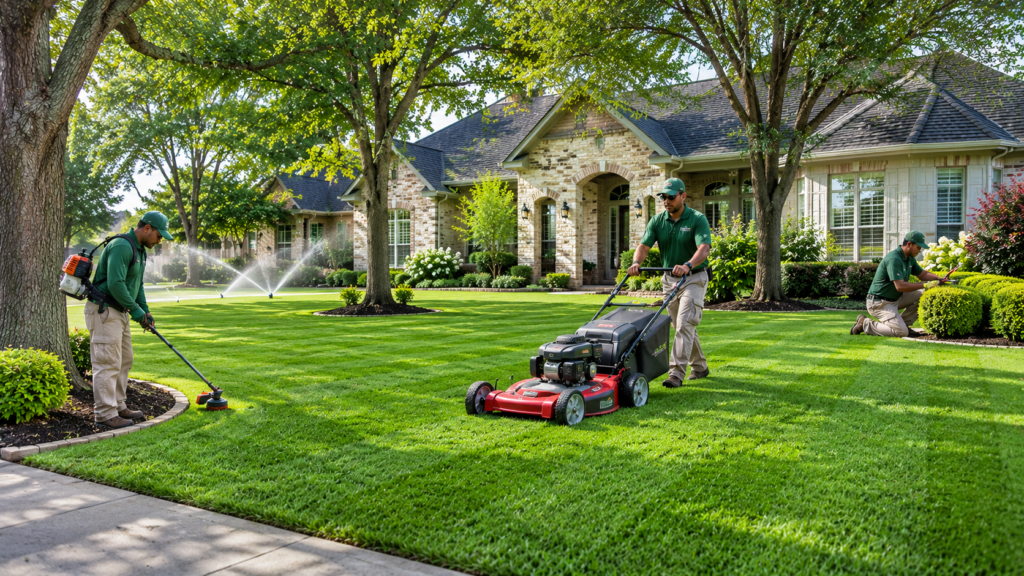
Yard Cleanup
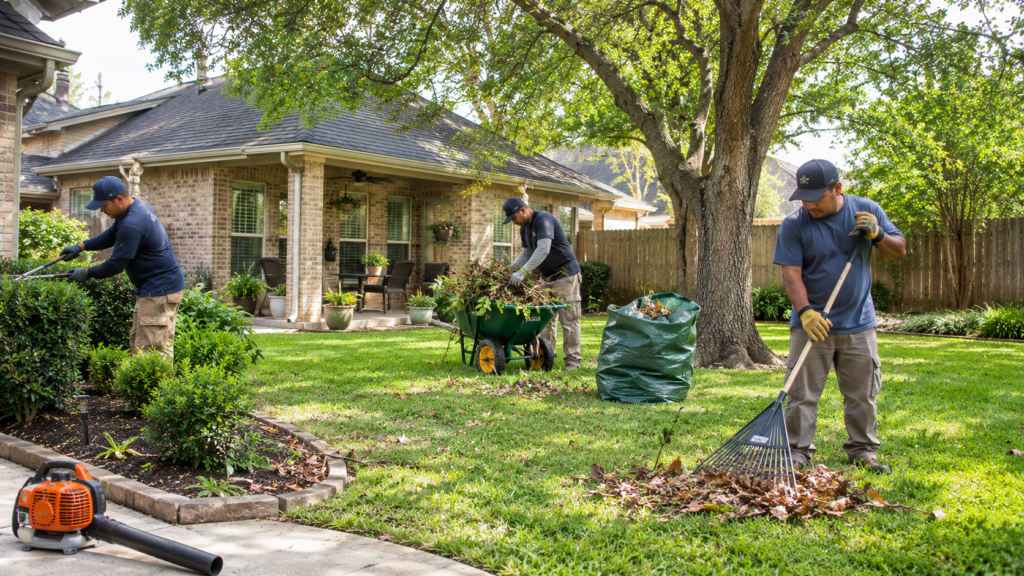
Yard cleanup in Houston helps remove outdoor debris and manage overgrown areas. Leaves, fallen branches, weeds, and accumulated plant material can make a property look untidy.
Seasonal weather and heavy rainfall may also leave debris around lawns, garden beds, and walkways.
Depending on the property and provider, yard cleanup may include:
- Leaf removal from lawns and garden beds.
- Collection of small fallen branches.
- Removal of loose outdoor debris.
- Trimming overgrown vegetation.
- Cleaning garden beds and lawn edges.
- Preparing outdoor spaces for seasonal maintenance.
Large branches, hazardous materials, and major tree work may require a separate specialist.
Explore our Houston yard cleanup guide for more information about outdoor cleanup options.
Lawn Fertilization
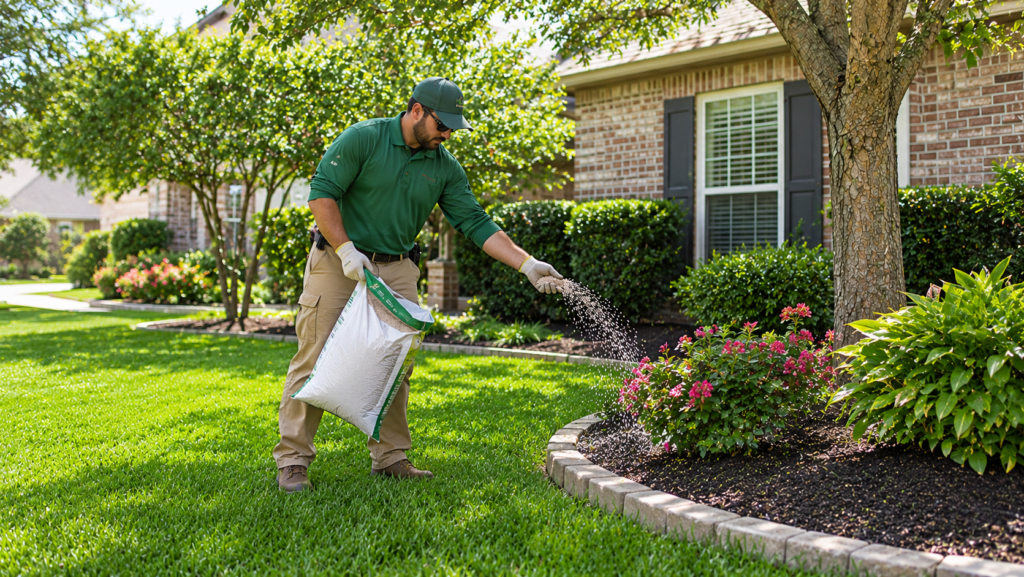
Lawn fertilization in Houston involves supplying nutrients that support grass growth. However, fertilizer requirements vary by grass type, soil conditions, and the lawn’s current health. The main plant nutrients include nitrogen, phosphorus, and potassium. Each plays a different role in plant development.
A soil test can help identify nutrient deficiencies and guide fertilizer decisions. Applying fertilizer without understanding the lawn’s needs may result in excessive growth or unnecessary nutrient runoff.
Before choosing a fertilization service, consider asking about:
- The grass variety on your property.
- Whether soil testing is recommended.
- The fertilizer’s nutrient analysis.
- The planned application rate.
- Seasonal application timing.
- Any watering instructions after treatment.
Fertilizer should be applied according to suitable recommendations and product label instructions.
Visit our Houston lawn fertilization guide to learn more about soil nutrients and fertilizer management.
Weed Control
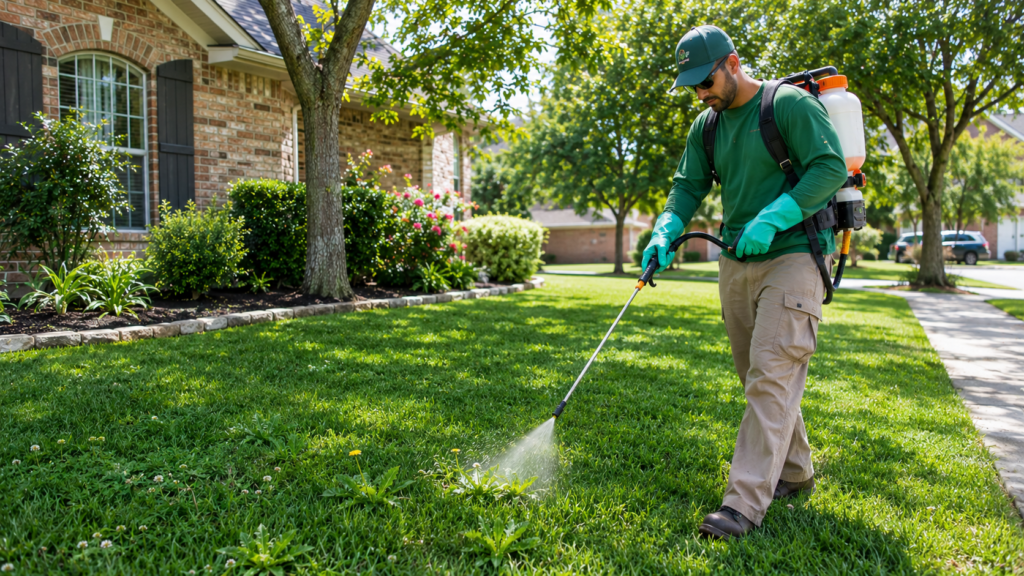
Weed control in Houston focuses on identifying and managing unwanted plants growing within a lawn. Weeds compete with grass for sunlight, water, nutrients, and growing space. They may also make a lawn look uneven or poorly maintained. Common weed categories include broadleaf weeds, grassy weeds, and sedges. Each group may need a different management approach.
Weed management options can include:
- Identifying the weed species.
- Improving lawn density through suitable maintenance.
- Using pre-emergent herbicides where appropriate.
- Applying suitable post-emergent treatments.
- Monitoring treated areas for regrowth.
Herbicide selection matters. A product that is suitable for one grass variety may damage another. Always follow the product label and consider professional identification before applying treatments.
Read our Houston weed control guide for more information about common lawn weeds and management options.
Landscaping Services
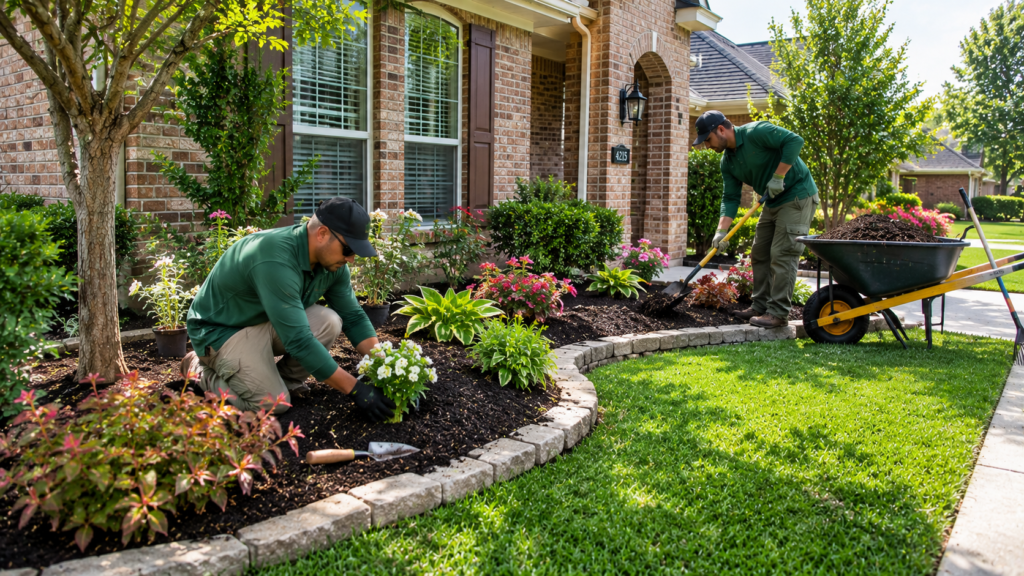
Landscaping in Houston, TX focuses on the design, appearance, and function of outdoor spaces. It can include much more than grass maintenance. A landscape may include lawns, shrubs, trees, garden beds, pathways, and decorative features. The right combination depends on the property’s layout and maintenance requirements.
Depending on the provider, landscaping options may include:
- Planting shrubs and ornamental plants.
- Creating or refreshing garden beds.
- Installing landscape edging.
- Adding mulch and decorative materials.
- Improving outdoor layouts.
- Maintaining existing landscape features.
Plant selection should account for sun exposure, soil drainage, water requirements, and Houston’s climate.
Explore our Houston landscaping guide for more information about outdoor improvement options.
What Makes Lawn Care Different in Houston?
Maintaining a healthy lawn in Houston, Texas requires more than regular mowing. The region’s warm, humid climate, seasonal rainfall, summer heat, and changing soil moisture can all influence how residential lawns grow.
From choosing the right warm-season grass to managing irrigation, mowing height, drainage, and lawn disease, understanding local growing conditions can help homeowners make better lawn-care decisions.
Explore Houston Grass Types →Explore lawn-care information and connect with independent local service providers through HoustonLawnCare.
Houston’s Climate and Its Effect on Your Lawn
Houston’s weather creates a long growing season for many warm-season grasses. However, heat, humidity, rainfall, and drainage conditions can make lawn maintenance more challenging.
These figures come from the National Weather Service’s 1991–2020 climate normals for Houston Intercontinental. Actual conditions vary from year to year and across the Greater Houston area.
Summer Heat and Grass Growth
Warm-season grasses generally grow actively during warmer months. Suitable temperatures and moisture can encourage faster growth, which may increase mowing frequency.
Cutting too much leaf material at once can stress turf. Following an appropriate mowing height and the one-third rule helps avoid unnecessary damage.
Extended hot and dry periods can also cause drought stress, especially when soil moisture becomes limited.
Rainfall, Humidity, and Drainage
Houston receives substantial rainfall, but its timing and distribution vary. Some periods bring frequent rain, while others include extended dry weather.
Excess moisture and poorly drained soil can contribute to turf disease and weaken grass roots. Low areas may collect standing water after heavy rainfall.
Watch for waterlogging, compacted soil, and drainage problems around your property.
Sunlight and Shade
Different grass varieties have different sunlight requirements. Bermuda grass generally performs best in sunny locations, while St. Augustine can tolerate more shade.
Trees, fences, and buildings can limit available sunlight. Turf growing under dense shade may become thin or weak.
Choosing grass suited to the available light can help reduce long-term maintenance problems.
Common Grass Types in Houston
Understanding your grass type is an important part of choosing suitable mowing, watering, and maintenance practices. Three warm-season grasses commonly discussed for Texas residential landscapes are St. Augustine, Bermuda, and Zoysia.
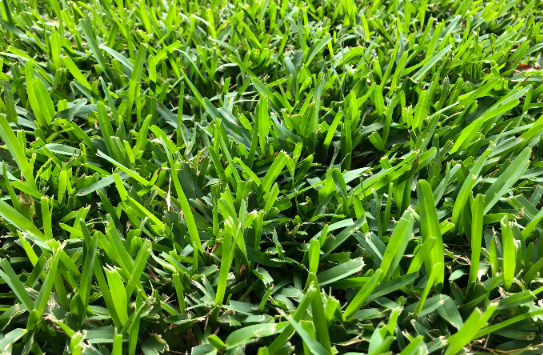
St. Augustine Grass
St. Augustine grass is a popular warm-season turfgrass in many Texas residential landscapes. It has broad leaf blades and spreads through above-ground runners called stolons.
It can form dense coverage when growing conditions are suitable. It generally tolerates more shade than many other warm-season grasses, although it still needs adequate sunlight.
- Broad, coarse leaf blades
- Spreads through above-ground stolons
- Generally maintained around 2–4 inches
- Can be affected by chinch bugs and turf diseases
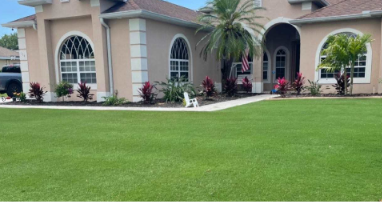
Bermuda Grass
Bermuda grass is known for its heat tolerance, drought tolerance, and ability to recover from wear. It is commonly used in sunny lawns and high-traffic outdoor areas.
It performs best where it receives plenty of sunlight. Dense shade can cause thin growth and reduce lawn quality.
- Fine-textured grass blades
- Good tolerance for heat and foot traffic
- Common home-lawn mowing range: 1–2 inches
- Needs sufficient sunlight for healthy growth
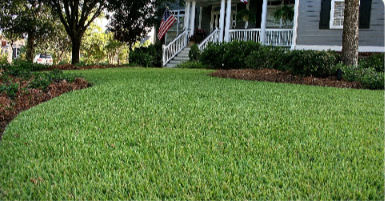
Zoysia Grass
Zoysia grass is another warm-season turfgrass found in Texas landscapes. It can develop dense coverage and may suit selected residential settings.
Different Zoysia varieties have different textures, growth habits, and maintenance requirements. Selection should account for the property’s conditions.
- Dense growth habit
- Available in different textures and varieties
- Can suit selected residential lawns
- Establishment and mowing needs vary by variety
Choose Lawn Care Based on Your Property’s Conditions
A healthy Houston lawn depends on matching maintenance practices to the grass variety and the property’s growing conditions. A mowing schedule that works for Bermuda may not be suitable for St. Augustine.
Before arranging lawn maintenance, consider the amount of direct sunlight, how quickly water drains after rain, whether the soil stays wet, and whether the grass shows signs of pests or disease.
Understanding these details can make conversations with lawn-care providers more useful and help identify the services your property may need.
Explore Local Lawn Care Options →HoustonLawnCare is an independent lead-generation resource. Service delivery and estimates are handled by independent local providers.

Find Lawn Care Options for Your Houston Property
Whether you need lawn mowing, routine maintenance, weed control, fertilization, or yard cleanup, explore available service options for your residential or commercial property in Houston, TX.
Explore Local Lawn Care Options →HoustonLawnCare is an independent lead-generation resource. Estimates and lawn-care services are provided by independent local providers.
Common Lawn Problems in Houston and What May Cause Them
Brown patches, yellow grass, thinning turf, and uneven growth are common concerns for homeowners in Houston, TX. These symptoms can result from insects, fungal diseases, drought, poor drainage, soil conditions, or unsuitable maintenance.
The first step is understanding what may be affecting your lawn. Different problems can produce similar symptoms, and treating the wrong cause may waste time and money.
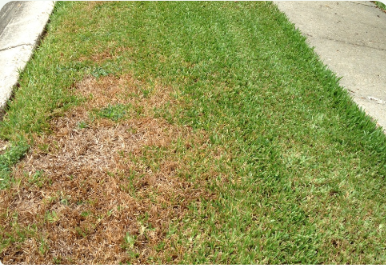
5 Common Lawn Problems Houston Homeowners Should Know
Houston’s warm-season lawns can experience several types of turf damage. Learning how common symptoms appear can help you decide what to inspect and when to seek professional advice.
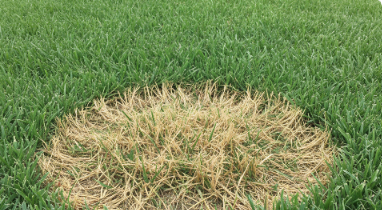
Brown or Yellow Grass
Brown or yellow grass can be associated with drought stress, insect activity, fungal disease, nutrient deficiencies, or root damage.
Look at the shape and location of the affected area. Check soil moisture and whether the damage is spreading. Grass near hot driveways may experience different stress from grass growing in shaded or poorly drained areas.
Explore lawn maintenance →
Chinch Bugs
Southern chinch bugs are an important insect pest of St. Augustine grass in Texas. Their feeding can cause irregular yellowing and dead patches.
Damage may be more noticeable in hot, sunny areas, especially near sidewalks and driveways. It can resemble drought stress or disease.
Texas A&M AgriLife recommends inspecting affected turf and confirming insect activity before deciding whether treatment is appropriate.
Read Texas A&M chinch bug guidance →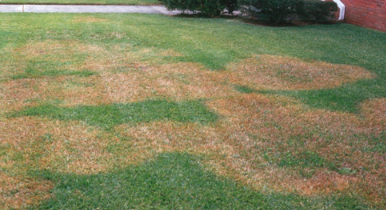
Large Patch Disease
Large patch disease is a fungal problem affecting warm-season turfgrasses, including St. Augustine grass and Zoysia.
It may appear as circular or irregular yellow, orange, or brown areas. It is especially associated with cool, wet conditions, often during fall and spring.
Poor drainage, excessive moisture, and unsuitable maintenance conditions can increase turf disease pressure.
Learn about similar turf symptoms →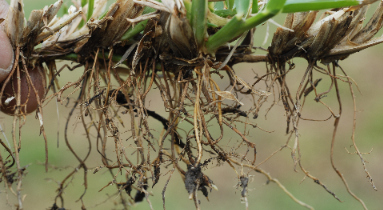
Take-All Root Rot
Take-all root rot is a fungal disease that can affect St. Augustine grass and other warm-season turfgrasses.
Affected grass may turn yellow, become thin, and develop irregular brown patches. Infected roots can become short, dark, and damaged.
Irrigation practices, soil conditions, drainage, and general turf health all matter when assessing this problem.
Read Texas A&M root rot guidance →
Poor Drainage and Standing Water
Standing water can develop because of compacted soil, low areas, blocked drainage paths, or unsuitable grading.
Water that remains around grass roots for extended periods can affect turf health and make parts of a yard difficult to use.
Some properties may require a drainage assessment, soil improvements, or landscaping changes rather than routine mowing.
Explore Houston landscaping options →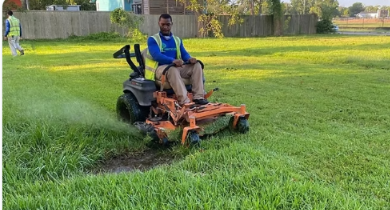
Thinning Grass and Uneven Growth
Thin or uneven turf can result from shade, compacted soil, poor mowing practices, insufficient light, or unsuitable growing conditions.
Check whether the affected grass receives enough sunlight and whether the mowing height matches the grass variety.
Consistent maintenance can help support healthy turf, but the underlying cause should be considered first.
Explore Houston lawn mowing →Residential and Commercial Lawn Care in Houston
Different properties have different lawn-care requirements. Residential yards often need attention to individual garden areas, while commercial grounds may require coordinated maintenance across larger outdoor spaces.
Residential Lawn Care in Houston
Residential lawn care in Houston focuses on maintaining the outdoor spaces around homes. These may include front yards, backyards, side areas, garden beds, and spaces around trees or fences.
A sunny front lawn may grow differently from a shaded backyard. The services a property needs depend on its grass type, size, condition, and maintenance goals.
Common residential service options:- Regular lawn mowing and edging
- Grass trimming around trees and fences
- Seasonal yard and leaf cleanup
- Fertilization and weed management
- Garden bed and shrub maintenance
- Drainage and landscaping improvements
Before requesting a service connection, consider lawn size, grass variety, shade, visible problems, drainage, and preferred maintenance frequency.
Explore residential lawn care in Houston →Commercial Lawn Care in Houston
Commercial lawn care in Houston involves maintaining outdoor areas around offices, retail centers, business facilities, and other commercial properties.
Property managers may need recurring grounds maintenance, clearly defined service schedules, and attention to entrances, parking areas, and shared outdoor spaces.
Common commercial service options:- Scheduled lawn mowing and edging
- Grass trimming and grounds maintenance
- Landscape bed and shrub maintenance
- Weed management and fertilization
- Seasonal cleanup and debris removal
- Landscape improvements and planting
Before comparing providers, consider property size, site access, required maintenance frequency, safety requirements, and written service agreements.
Explore commercial lawn care in Houston →How to Choose a Lawn Care Provider in Houston
Choosing a lawn-care provider involves more than comparing prices. The right provider should understand the work requested and explain what is included in the estimate.
Whether you need mowing, seasonal cleanup, weed management, or help with damaged grass, ask questions before agreeing to a service.
Discuss the products being used, the expected service schedule, property access, and any precautions that may be necessary around children, pets, or nearby plants.
How HoustonLawnCare Helps You Explore Local Services
Understanding your lawn-care needs is the first step. HoustonLawnCare helps visitors explore relevant services and submit requests for possible connections with independent local providers.
Explore
Learn about mowing, maintenance, cleanup, and lawn treatments.
Identify
Describe your property, grass type, and current lawn concerns.
Request
Submit your details through the website’s service request form.
Connect
Your request may be shared with an independent local provider.
Compare
Discuss availability, estimates, and service arrangements directly.
Looking for Lawn Care Options in Houston, TX?
Explore lawn mowing, routine maintenance, yard cleanup, fertilization, weed control, and landscaping options. Share your property requirements to request a possible connection with an independent local service provider.
Request a Service Connection →HoustonLawnCare is an independent information and lead-generation website. We do not directly perform lawn-care services or employ the independent providers. Providers determine their own availability, pricing, estimates, and service arrangements. A request does not guarantee a provider match or service availability.
Houston Lawn Care Resources and References
For additional information about identifying lawn problems and managing warm-season turfgrass, consult these educational resources:
FAQs
Ready to Find the Right Lawn Care for Your Houston Property?
From regular lawn mowing and seasonal maintenance to weed control, fertilization, and complete yard cleanup, explore lawn care options for your home or business in Houston, TX. Tell us what your property needs and take the next step toward connecting with an independent local provider.
Explore Local Lawn Care OptionsExplore available services for residential and commercial properties.
HoustonLawnCare is an independent lawn-care information and lead-generation website. We help visitors explore local service options and connect with independent providers. Service availability, estimates, pricing, scheduling, and work are determined by the individual providers.